About Us
Vision
Through the APIE program, we believe that students in the Asia Pacific region will learn Internet philosophy, practical skills for network operation and engineering, and collaboration in diversity, becoming professional network engineers who can contribute to the future of the Internet community in the area.
Designed and operated by:
SOI Asia
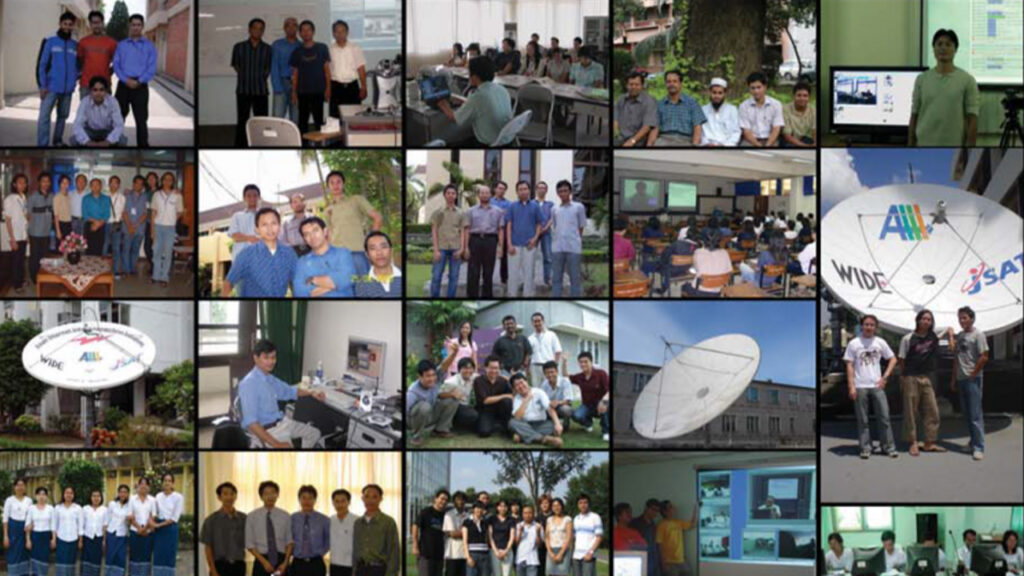
The SOI Asia (School on Internet Asia) Project is an international education consortium established in 2001 by WIDE Project to achieve educational collaborations among top-level universities in Southeast Asia over the Internet utilizing the infrastructure technology developed by the AI3 Project.
APNIC
APNIC (Asia Pacific Network Information Center) is the Regional Internet Registry administering IP addresses for the Asia Pacific region.
As a part of its missions, APNIC has been offering a variety of education and training content for the people who build, operate and maintain the Internet in the region for many years.
In partnership with:
WIDE Project
The WIDE Project is a research consortium, founded in 1985, that brings together partners from academia, industry, and government sectors in Japan and worldwide.
It has consistently contributed to cutting-edge research in advanced computing and networking.
AITAC
AITAC (Advanced IT Architect Human Resource Development Council) is an organization formed in 2017 by experts from industry and academia in Japan. Its mission is to develop top IT architects who can build infrastructure for the next generation. AITAC provides a systematic training curriculum and certification program for working adults and students both in Japan and overseas.
History
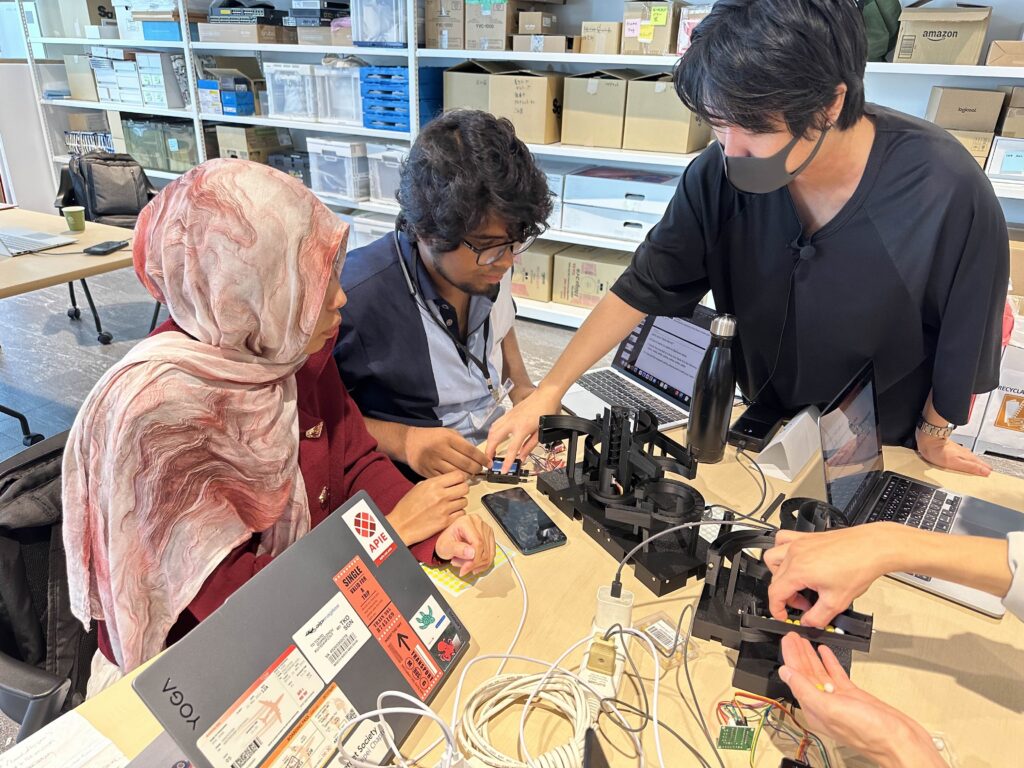
Since its launch in 2021, APIE has evolved from a new regional education initiative into a learning ecosystem connecting online courses, collaborative workshops, hands-on camps, and opportunities for continued engagement.

2021
The Asia Pacific Internet Engineering Program was established to help develop the next generation of Internet engineers in the region. Building on SOI Asia’s network and collaboration with Internet technical communities, APIE set out to combine foundational knowledge, practical skills, and learning across different cultures and environments.
2022
APIE welcomed its first group of learners through the inaugural Core Course, combining the online courses Understanding the Internet and Operating the Internet with a series of interactive APIE e-Workshops. Participants developed foundational and practical networking knowledge while meeting engineers and Internet community leaders. This first cycle established the blended learning model at the heart of APIE.


2023
The APIE learning journey moved from online learning into onsite collaboration. Understanding the Internet was launched as a free public course on FutureLearn, while the first APIE Camps at Keio University and Institut Teknologi Bandung enabled learners to apply their knowledge through hands-on projects. Participants also began returning as teaching assistants and joining internship opportunities.
2024
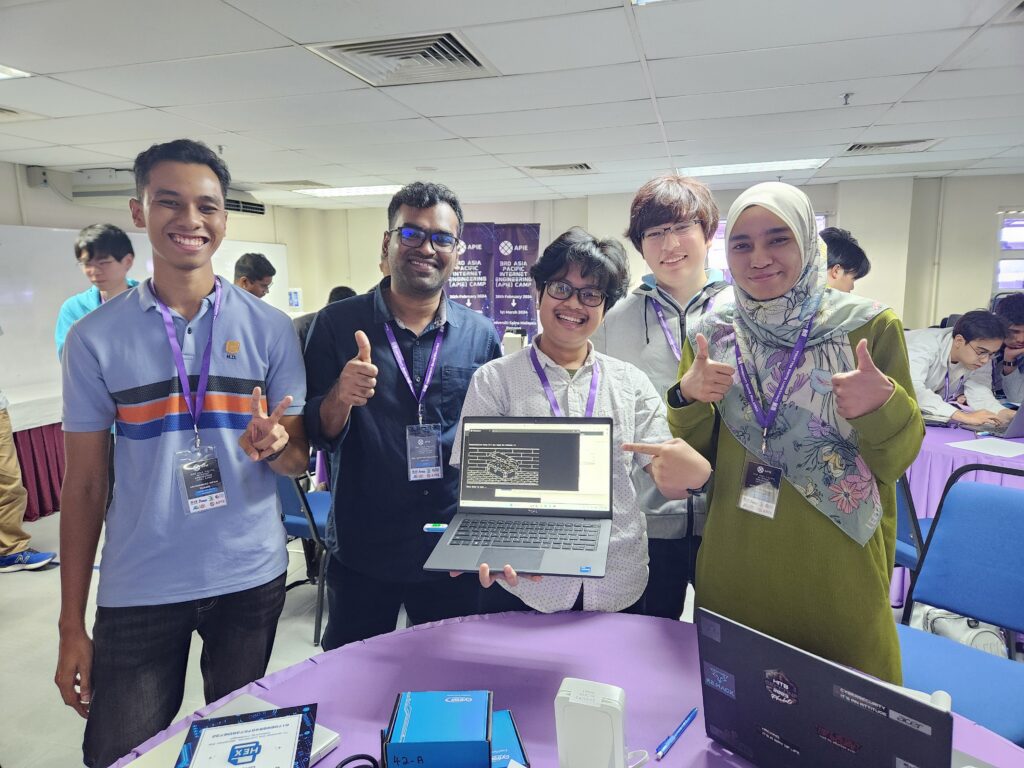
With three APIE Camps in Malaysia and Indonesia and the first APIE Advanced Camp in Japan, the program created a clearer pathway for continued learning. Meet the Internet Engineers , an informal Internet community meetup, connected students with professionals and their experiences in the Internet community. Alumni also took greater roles in supporting new participants, while Vietnam Japan University integrated APIE into a formal course.

2025
Participating in the Internet was launched, introducing learners to Internet governance and the global Internet community. The first APIE Kick-start Workshop, an onboarding event for new learners, was held at UNTL in Timor-Leste. Three APIE Camps and two Advanced Camps provided further hands-on learning. From no women at its first Camp, APIE reached 35–50% female participation in less than two years—an important step toward a community where women can learn, contribute, and thrive. Alumni also progressed into teaching roles, internships, fellowships, and community-led projects.
2026
The APIE Core Course was complemented by the first pilot run of the APIE Internet Governance Course and two pilot Advanced Camps focusing on BGP and Wi-Fi. Together with local and regional camps and the fourth APIE Advanced Camp, these new formats further diversified the learning journey. Alumni continued contributing as facilitators, teaching assistants, interns, fellows, and project members.